
thedesign.website

Why Products Look Better in Real Life Than in Online Shops – And How to Close the Gap

Nothing ruins the excitement of opening a package quite like wondering whether the courier accidentally swapped your order with something from a parallel universe. The product looked vibrant, luxurious and perfectly proportioned on the website, yet the item in your hands somehow feels smaller, duller or simply different. In most cases, the seller has not […]

Why Products Look Better in Real Life Than in Online Shops – And How to Close the Gap Read More »

Why Two Identical Logos Can Embroider Completely Differently

Every embroidered logo tells a story long before anyone notices the colours or recognises the brand. Two designs may begin with the very same artwork, yet once the embroidery machines finish their work, they can look surprisingly different. One appears crisp, balanced and almost three-dimensional, while the other seems flat, uneven or strangely distorted. The

Why Two Identical Logos Can Embroider Completely Differently Read More »

The Hidden Design Principles Behind Photographs People Love to Display at Home

Some photographs politely live in a phone gallery forever, while others practically march themselves into a frame and demand a good wall. That difference is not just about who is in the image, how expensive the camera was, or whether everyone managed to keep their eyes open at the same time. A portrait becomes display

The Hidden Design Principles Behind Photographs People Love to Display at Home Read More »

Escaping the Sea of Sameness: A Practical Guide to Avoiding Industry Design Tropes

A strange thing happens when a company sets out to look different. Somewhere between the strategy meeting, the mood board, and the fifteenth round of stakeholder feedback, the result often ends up looking exactly like everyone else. Technology companies adopt the same blue gradients. Coffee brands lean into earthy tones and hand-drawn illustrations. Luxury firms

Escaping the Sea of Sameness: A Practical Guide to Avoiding Industry Design Tropes Read More »

Why Viewers Trust Imperfect Video More Than Perfect Video

A tiny camera wobble can sometimes do more for credibility than a thousand pounds’ worth of equipment trying its hardest not to look nervous. Viewers are sharper than many brands, creators, and event organisers give them credit for. They may not know the difference between a prime lens and a zoom lens, but they can

Why Viewers Trust Imperfect Video More Than Perfect Video Read More »

Borrowing Lessons From Supermarkets to Build Better Websites

A shopping cart with one squeaky wheel can teach a surprising amount about web design. Supermarkets have spent decades studying how people move, browse, hesitate, compare, and buy. Website owners often focus on colors, fonts, and flashy features while overlooking a valuable source of practical wisdom sitting just down the road between the produce aisle

Borrowing Lessons From Supermarkets to Build Better Websites Read More »

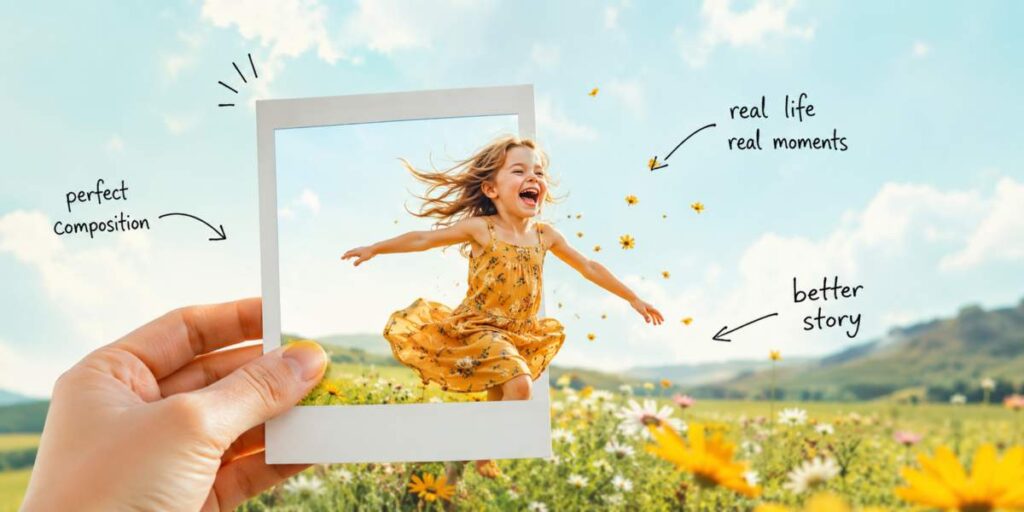
Photography: Why Perfect Composition Isn’t Always the Best Composition

A photograph can be mathematically flawless and still leave people feeling absolutely nothing. Lines align neatly, the rule of thirds is obeyed with military discipline, and every element sits exactly where a textbook says it should. Yet the image lands with all the emotional impact of a shopping receipt. That uncomfortable truth often surprises photographers

Photography: Why Perfect Composition Isn’t Always the Best Composition Read More »

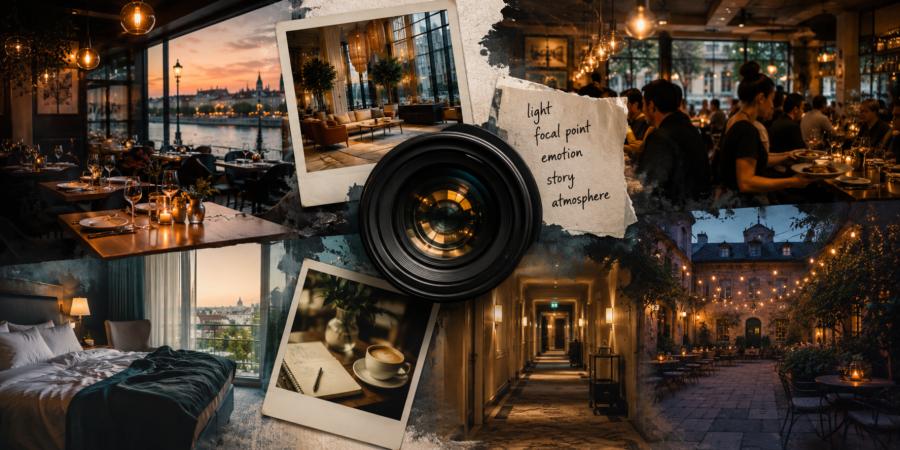
Can a Photograph Capture Atmosphere? What Hospitality Spaces Teach Us About Visual Storytelling

A photograph cannot bottle the smell of fresh coffee, the low murmur of late conversation, or the faint panic of a waiter balancing five plates and questionable optimism. Yet certain images of restaurants, hotels, and public spaces manage to make people feel something beyond what they see. They suggest warmth, intrigue, calm, excitement, or even

Can a Photograph Capture Atmosphere? What Hospitality Spaces Teach Us About Visual Storytelling Read More »

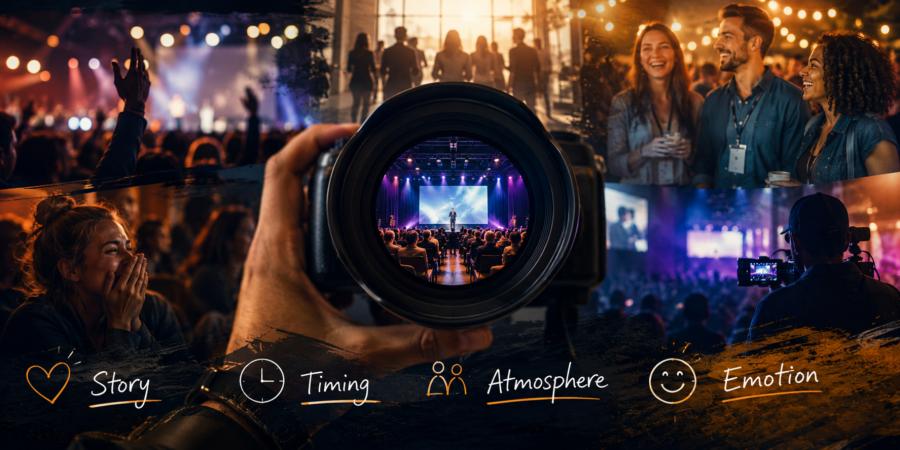
Behind the Camera, Beyond the Hype: What Actually Makes Event Content Memorable

A packed venue can sound impressive on paper and look dazzling under stage lights, yet many event videos vanish from memory faster than a forgotten conference lanyard. The problem is rarely a lack of equipment. Cameras have become smarter, editing software can perform digital gymnastics, and nearly everyone now knows at least one person who

Behind the Camera, Beyond the Hype: What Actually Makes Event Content Memorable Read More »

The Art of the Unposed Frame: What Interior Design Can Teach Us About Photographing People

A room can reveal its personality before anyone speaks. People are not so different, although they tend to fidget more and ask whether they look awkward every fourteen seconds. Photography and interior design appear to live in separate neighborhoods. One deals with people and fleeting moments, the other with walls, furniture, and rugs that somehow

The Art of the Unposed Frame: What Interior Design Can Teach Us About Photographing People Read More »